
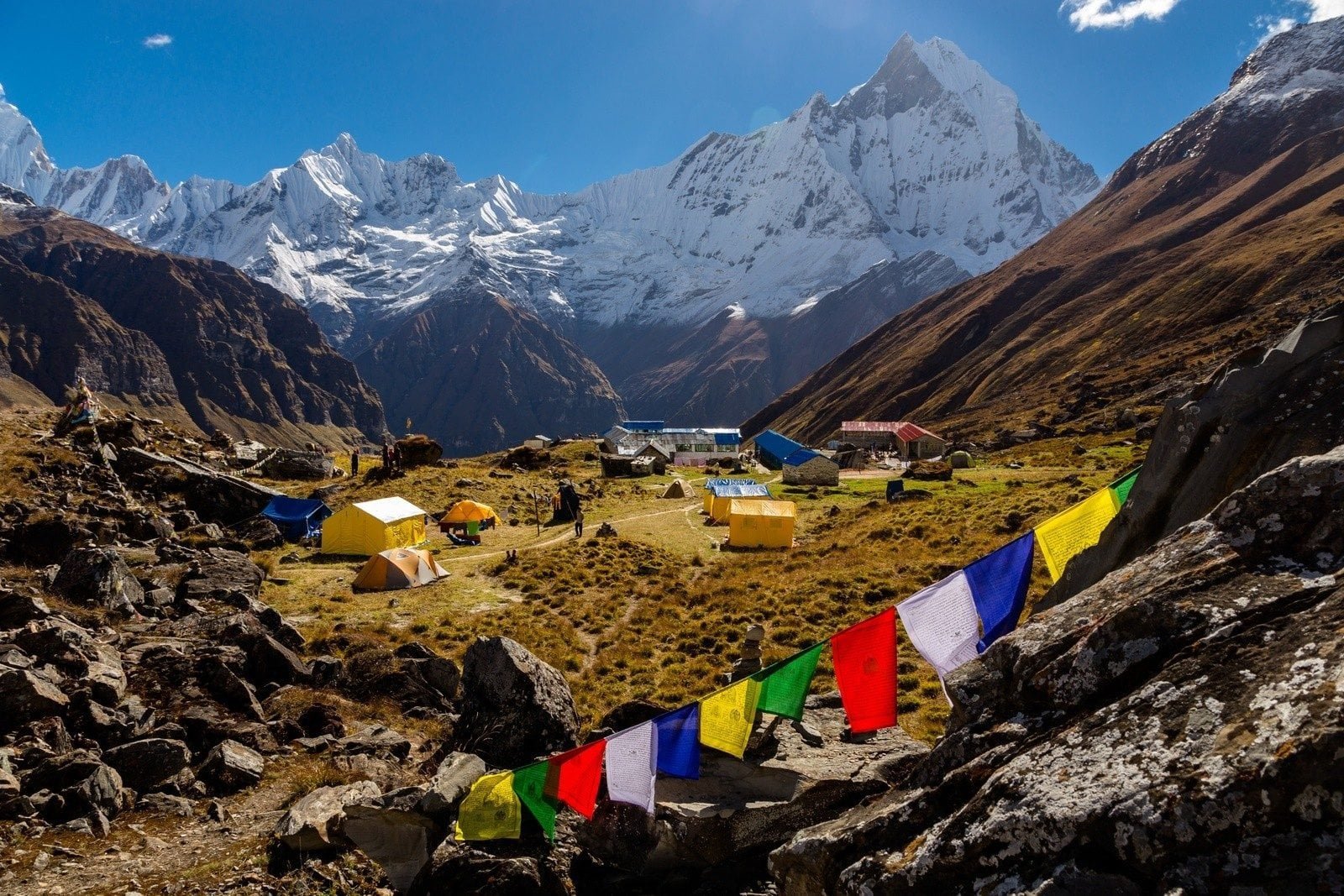
Picture yourself walking beneath dense green forests, following powerful mountain rivers, and gradually ascending into a high-altitude desert that looks almost like the surface of the moon. This incredible transformation of landscapes is what makes the Annapurna Circuit one of Nepal’s most magical trekking adventures.
For hikers from all over the world, this trek has become a bucket-list classic. But it’s not a casual Sunday stroll. Between the risk of altitude sickness, changing weather, and new permit systems, there is a lot to prepare.
Why listen to us? We have been guiding adventure travels for over a decade, and we partner with certified local trek guides and Nepal’s tourism board. Our advice is pulled directly from the International Society for Mountain Medicine and real-time updates from the Nepal Mountaineering Association.
In this guide, we will give you 7 actionable, expert-backed tips to help you conquer the Annapurna Circuit safely—while actually enjoying the views (and the legendary apple pie in Jomsom).
7 Essential Tips for Trekking the Annapurna Circuit
1. Start Low, Go Slow: The Golden Rule of Acclimatization
The single biggest risk on the Annapurna Circuit is Acute Mountain Sickness (AMS)—you will cross the Thorong La Pass (5,416 m / 17,769 ft).
Expert advice: Never ascend more than 300–500 meters per day once you are above 3,000 m. Plan a mandatory rest day in Manang (3,540 m).
Actionable tip: Hike from Manang to the tiny settlement of Gangapurna Lake (4,000 m) and then sleep back in Manang. “Climb high, sleep low” reduces AMS risk by over 50%, according to a 2019 study in Wilderness & Environmental Medicine.
2. Pack Smart, Not Heavy
Travelers often overpack. One day you might be sweating in 25°C heat; the next morning at Thorong La, it can be -15°C with wind chill.
Your gear checklist (expert approved):
- Base layer: Merino wool (Icebreaker or Smartwool) – it resists odor and stays warm when wet.
- Mid layer: A lightweight down or synthetic puffy jacket.
- Outer layer: A waterproof, windproof shell (e.g., Patagonia Torrentshell or Arc’teryx).
Data point: The Nepal Tourism Board reports that 70% of trekking evacuations are due to preventable cold injuries or exhaustion from carrying overweight bags (over 15 kg). Keep your main pack under 12 kg. Hire a local porter for $20-25/day—it directly supports the local economy.
3. Get the New Permits Right
This is where many online guides are outdated. As of late 2024, the TIMS (Trekkers’ Information Management System) card is no longer required for the Annapurna Circuit. Instead, you need two things:
- Annapurna Conservation Area Permit (ACAP): NPR 3,000 (~$22 USD)
- Rural Municipality Entry Permit: NPR 2,000 (~$15 USD)
Internal link suggestion: For a step-by-step breakdown of 2025 Nepal trekking permits, check out our post: [Anchor text: Nepal Trekking Permits: What Changed in 2025]
External authority: Verify this directly on the official Nepal Tourism Board website before you fly. Do not trust third-party vendors on Facebook.
4. Hydrate Like Your Life Depends On It (Because It Does)
At 4,000 meters, your body loses water twice as fast as at sea level due to dry air and increased respiration. Dehydration mimics the early symptoms of altitude sickness—headache, fatigue, nausea.
The rule: Drink 4-6 liters of water per day. Not just tea. Not just Coke.
Practical solution:
- Bring a filter bottle (Grayl or LifeStraw). The teahouses have tap water from glacial sources, but it can contain bacteria. Filtering saves you from buying 10+ plastic bottles (which are often illegally burned in Nepal).
- Add electrolyte tablets (Nuun or Liquid I.V.) to one liter per day.
Trust source: The CDC’s Yellow Book on travel health recommends 3-5 liters for high-altitude trekkers. We add an extra liter for the dry “rain shadow” side of the circuit after Manang.
5. Book Teahouses Through a Local Agent
Old blog posts say: “Just arrive and find a room.” That changed after 2023. The Annapurna Circuit now sees over 60,000 trekkers per year, and in peak October/November, beds in places like High Camp (4,850 m) and Thorong Phedi run out by 2 PM.
Actionable tip: Use a registered local agency like us to pre-book teahouses. Yes, you pay a 10-15% premium. But you avoid sleeping on a dining room floor while shivering at 4,600 m.
External expert: REI’s Adventure Travel division now recommends booking the circuit “with a local operator who holds a VAT registration” to ensure fair wages and safety.
6. Train on Stairs, Not Just Treadmills
Most travelers hit great gyms. But a treadmill does not prepare you for 1,500 stone steps in one day (the climb from Tal to Dharapani).
The data: The average Annapurna Circuit day involves 800–1,200 meters of elevation gain. That is the equivalent of climbing the Empire State Building twice.
Your 8-week training plan:
- Stair machine: 45 minutes with a 8-10 kg pack, 3x per week.
- Step-ups on a 20-inch box holding a dumbbell in one hand (mimics uneven terrain).
- Weekend hikes: Find a local hill. If you live in a flat area (e.g., Florida or London), use a stadium staircase.
7. Budget for Travel Insurance With “Helicopter Evacuation” Explicitly Written In
Standard travel insurance from your credit card will not cover a helicopter rescue above 4,000 m. A rescue from Thorong La costs $5,000–$7,000 USD. An emergency flight to Kathmandu can exceed $25,000.
What to look for: A policy that says “high-altitude trekking up to 6,000 m” and “helicopter evacuation” as a line item.
Recommended providers:
- Global Rescue (US/Canada)
- True Traveller (UK)
- World Nomads (Australia/NZ – read the fine print; their Explorer plan covers 6,000 m)
Internal link suggestion: Read our full comparison: [Anchor text: Best Travel Insurance for High-Altitude Hiking]
FAQs
Is the Annapurna Circuit safe for solo female trekkers?
Yes, with precautions. Nepal is generally safe, but you should join a small group (2-4 people) for the Thorong La crossing. Many solo female trekkers hire a local guide (approx. $30/day) not just for navigation, but for cultural mediation in teahouses.
Adventure Travel Trade Association rates Nepal as “Level 2: Moderate” for solo female trekking—higher than India or Pakistan.
Do I need a guide or porter?
Not legally, but practically yes. As of 2023, Nepal allows independent trekking on the Annapurna Circuit. However, after the permit changes, many teahouses prioritize groups with guides. For a traveler unfamiliar with Nepali signage, a guide adds safety. A porter adds dignity (and local income).
What is the best month to go?
October to early November (post-monsoon, clear skies) or March to April (rhododendron blooms). Avoid December–February (extreme cold at the pass) and June–August (leeches and landslides).
Can I charge my phone or shower?
Yes, but not for free. Most teahouses charge NPR 300-500 ($2-4 USD) for a 1-hour phone charge or a bucket of hot water for a shower. Bring a 20,000 mAh power bank. Solar panels are unreliable above 3,500 m.
How hard is Thorong La Pass?
It is the hardest single day. You wake up at 3 AM, hike 8-10 hours, and descend 1,600 m. The altitude (17,769 ft) is the real challenge, not the distance. Over 90% of circuit evacuations happen on this day, usually from AMS or ice-related falls.
Conclusion
Walking the Annapurna Circuit is not a luxury vacation. It is a challenge that will test your lungs, your knees, and your patience. But standing on top of Thorong La, watching the sunrise turn five 7,000 m peaks pink? That is a moment no “adventure bucket list” can replicate.
To recap the 7 essentials:
- Acclimatize slowly (rest day in Manang)
- Layer with merino + down + shell
- Get the ACAP + Rural Permit (no TIMS)
- Drink 5 liters daily + electrolytes
- Pre-book teahouses via a local agent
- Train on stairs for 8 weeks
- Buy insurance with heli-evac coverage
Your turn. Have you done the circuit, or are you planning your first trip? Drop a comment below with your biggest fear or question—our resident trek guide answers every Monday.
👉 Ready to start planning? [Download our free Annapurna Circuit Packing Checklist PDF] (link to sign-up form) or [Read next: 10 Common Mistakes on the Thorong La Pass] (internal link).
Disclaimer: We update this guide quarterly. Last verified with Nepal Tourism Board – April 2025. Always check current weather and political conditions before booking flights.