
Silent conversations are beginning to transform Nepal’s Himalayan trekking trails. Communicating through sign language rather than spoken words, a new generation of deaf trekking guides is helping reshape the country’s tourism industry and opening a powerful new chapter of inclusion.
Among the pioneers of this movement are Chop Prasad Paudel from Kalika Rural Municipality in Rasuwa and Chhiri Sherpa of Solukhumbu. Their achievements demonstrate that success in the Himalayas requires far more than physical endurance—it demands confidence, determination, and opportunity.
Paudel, who previously worked as a porter and hotel cook, recently completed the world-renowned Manaslu Circuit Trek, offering a glimpse into a more inclusive future for Nepal’s tourism sector. The challenging 15-day journey reaches elevations of 5,106 meters and is considered one of Nepal’s most demanding trekking routes.
For Paudel, the achievement carries significance beyond personal success. It has become an inspiring example for people with different abilities seeking opportunities in adventure tourism.
“After receiving the news that trekking guide training for deaf youth was going to be conducted by the Sustainable Tourism Project operated jointly by the Nepal Tourism Board and the United Nations Development Program, I also participated. I felt a big difference in the trekking experience before the training and after the training. Learning boosted my self-confidence and gave me knowledge on how to manage in difficult situations.”
Following the training, Paudel connected with two French tourists through social media and successfully guided them on the Manaslu Circuit Trek with support from an assistant. He credits his success to the skills and knowledge gained during the program, including mountain safety, emergency response, and practical guiding experience.
“After this trek, the self-confidence inside me has become even higher. Now, a desire to trek on other trekking trails of Nepal as well has arisen,” he said.
The training covered mountain safety, first aid, trail management, hospitality, cultural interpretation, environmental responsibility, crisis management, and Nepal’s geographical and cultural diversity. Paudel’s journey highlights the growing opportunities available to members of the Deaf community within Nepal’s tourism industry.
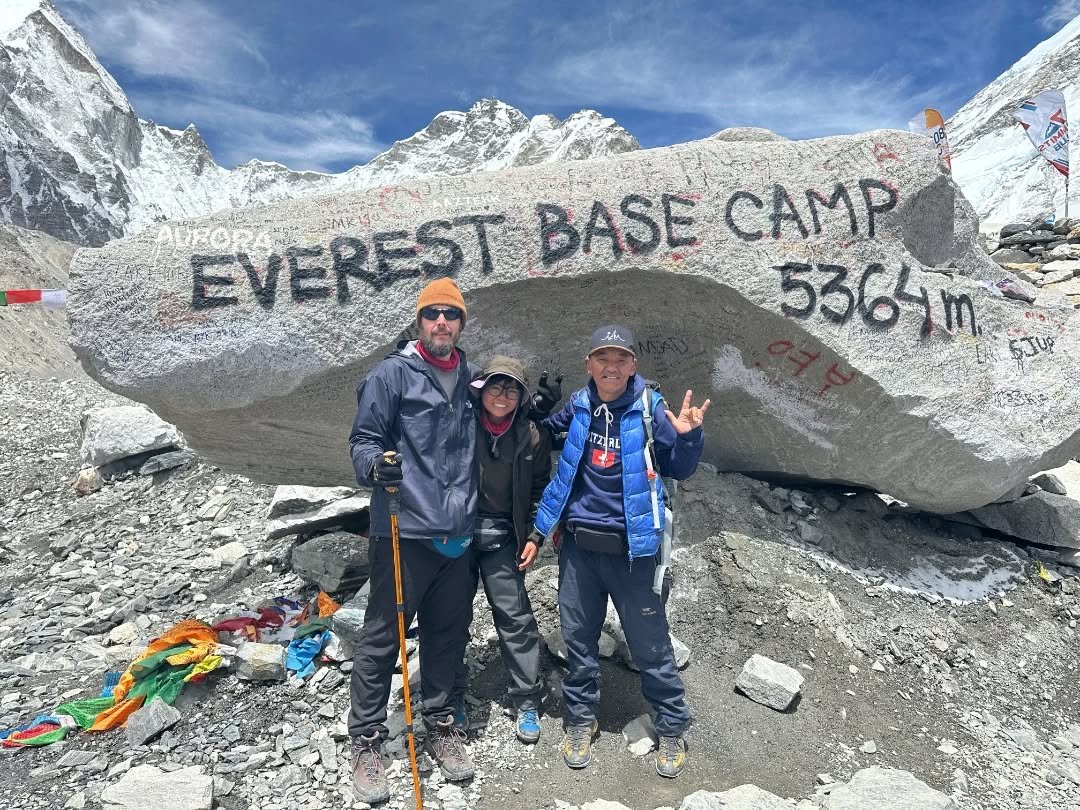
Another inspiring example is Chhiri Sherpa, who has been guiding international visitors through the Himalayas for years using sign language. From planning trips via video calls to leading expeditions on the trail, Sherpa independently manages every aspect of the trekking experience.
Recently, he guided an American tourist and his hearing-impaired Nepali wife on a demanding route through Gokyo, Cho La Pass (5,375 meters), and Everest Base Camp before reaching Lukla.
According to Sherpa, sign language creates a unique sense of trust and connection between guide and traveler.
“We communicated through signs throughout the journey. Behavior and understanding became more important than words,” he said.
Tourism stakeholders have praised the trekking guide training program for deaf youth as a significant step toward building a more inclusive tourism sector. Santosh KC, president of the National Federation of the Deaf Nepal, said deaf youth can make valuable contributions to Nepal’s tourism industry.
With an estimated 430 million people worldwide affected by hearing loss and more than 70 million sign language users, the initiative is also attracting international attention. Dharma Raj Dawadi, manager of the Sustainable Tourism Project, said the program has already proven effective in promoting inclusive tourism.
“The tourism of Nepal is now no longer limited merely to mountains and natural beauty. Signs of the practice of inclusivity and equal opportunity making tourism even more humane and extensive have begun to be seen,” said Dawadi.
The stories of Paudel and Sherpa demonstrate that with proper training, opportunity, and support, members of the Deaf community can become skilled trekking guides and powerful ambassadors for Nepal. Their success is also a call for government agencies, tourism businesses, and industry stakeholders to create broader employment pathways and greater opportunities for deaf youth and people with different abilities across the country.